Facial Waxing After 50: What Changes, What Works, and What to Expect
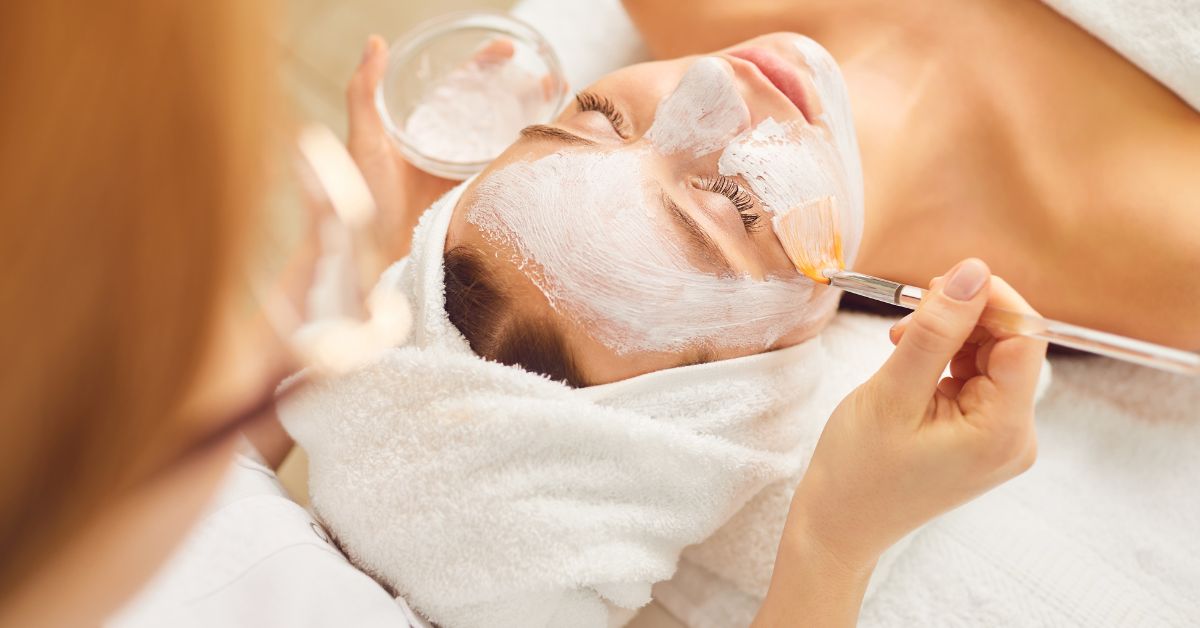
Facial hair changes with age. For many women in their 50s, 60s, and beyond, it appears in places it never used to, along the upper lip, on the chin, and scattered across the jaw. The approaches that worked at 30 do not always translate well to older skin, and that is exactly where understanding facial waxing at this stage of life makes a real difference. Knowing what to expect, how long results last, and how the skin responds changes the experience from uncertain to genuinely manageable.
How Mature Skin Responds to Facial Waxing
Older skin is not fragile in the way people sometimes assume, but it is different. Collagen production slows, the dermis thins slightly, and the skin's natural recovery pace changes. These factors do not make waxing off-limits for mature women. They make preparation, ingredient selection, and technique more important than they would be for younger skin.
Hard wax is generally preferred over soft wax for facial work on mature skin. It adheres directly to the hair shaft rather than bonding heavily to the skin surface, which significantly reduces the risk of irritation, bruising, and micro-abrasion. A skilled practitioner also applies the wax at the correct temperature for the specific area being treated, a detail that matters considerably more as skin becomes thinner and more reactive over time.
Upper lip waxing and chin hair removal are the most common facial waxing requests among women over 50. Hormonal shifts after menopause trigger coarser hair growth in both zones, and shaving, while convenient, often worsens the situation by stimulating thicker regrowth at the surface. Waxing removes hair from the follicle directly, which means the hair that grows back over time becomes finer and softer with repeated sessions rather than stubbly and coarse.
Skin hydration plays a meaningful supporting role. Women with drier skin benefit from consistent moisturizing in the days before an appointment, since well-hydrated skin holds up better during the waxing process and recovers more cleanly in the hours that follow. Avoiding exfoliating acids or retinoid products for at least 48 hours before the service is also standard preparation guidance for mature clients.
How Long Does Waxing Last and What Actually Affects the Results
How long does waxing last is consistently one of the first questions women ask before a facial waxing appointment. The general range is three to six weeks, with the upper lip typically sitting closer to three weeks and areas like the eyebrows and chin lasting slightly longer depending on individual hair growth cycles and hormonal activity.
How long do waxes last also depends significantly on the consistency of appointments. Hair grows in distinct phases, and regular waxing gradually synchronizes those cycles. Many women find that after several months of steady care, regrowth becomes thinner, sparser, and slower, which naturally extends the gap between sessions. First-appointment results never fully reflect what consistent waxing produces over time.
Hormonal fluctuations, stress levels, and certain medications can all accelerate hair regrowth. These are highly individual variables, which is why a thorough intake at the start of any new client relationship matters more than a generic timeline estimate.
Is Waxing or Threading Better for the Face on Mature Skin
Whether waxing or threading is better for the face depends on the individual, but for mature skin the differences are meaningful. Threading uses a twisted cotton thread moved across the skin to remove hair from the follicle without any product touching the surface. It is often recommended for women using prescription retinoids or topical treatments that make the skin temporarily more sensitive to wax adhesion.
Waxing covers larger surface areas in less time and handles multiple hair textures within a single appointment. For older women managing both fine peach fuzz and coarser chin or lip growth at the same visit, waxing addresses both efficiently without the extended time threading would require for equivalent coverage.
The most practical answer is that the right choice depends on the individual's skin condition, current topical routine, the specific zones being treated, and the skill of the practitioner administering the service. Neither method is universally superior, and a proper consultation should drive the decision.
What to Expect Before, During, and After a Facial Waxing Session
Arriving with clean, product-free skin makes the waxing process more precise. Practitioners recommend skipping heavy moisturizer and SPF on the treatment area the morning of the appointment, and avoiding fresh sun exposure for 24 hours beforehand, since sun-stressed skin reacts more intensely during hair removal.
SK Herbals approaches mature skin with botanical formulations that account for the reduced barrier resilience common in older women. The herbal-based products used during and after facial waxing sessions are selected specifically to support faster follicle recovery and minimize post-treatment redness, without synthetic fragrances or harsh post-service products. Many clients note their skin feels noticeably calmer after a session than they anticipated.
Avoiding heat exposure, including hot showers, steam, and direct sunlight, for 24 hours after the appointment allows freshly opened follicles to close without inflammation. Applying a gentle, fragrance-free soothing product afterward supports clean recovery and keeps results looking refined for the full duration between sessions.
Conclusion
Facial waxing is one of the most practical and lasting approaches to managing unwanted facial hair for women as they get older, particularly when it is done with the right technique, appropriate wax type, and skin-specific aftercare. SK Herbals works with mature clients who need a considered, herbal-aware approach rather than a generic service applied the same way to everyone. For older women ready to move beyond week-to-week maintenance and invest in results that actually hold, a proper consultation is the most worthwhile first step.