Waxing vs Threading Upper Lip - Which One Is Actually Better for Your Skin?
Skin sensitivity, hair type, and long-term skin health - these are the things that actually make upper lip hair removal a real decision. Both waxing and threading are widely available at salons, and both get the job done. But the way they interact with skin is quite different, and that difference matters more than most people expect.
Looking closely at waxing vs threading upper lip helps you figure out which method actually suits your skin - instead of just going with whatever the salon suggests first. Especially if your skin has become more reactive or delicate over time, that choice is worth making carefully.
What Is the Difference Between Waxing and Threading the Upper Lip?
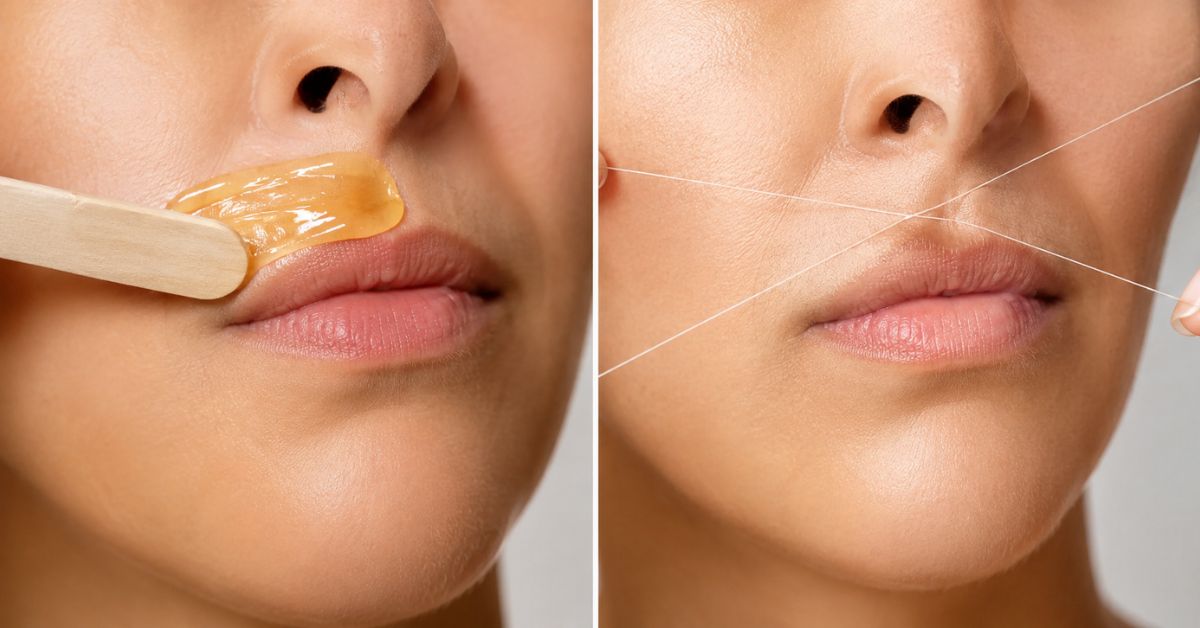
Waxing applies a warm or cold wax directly to the upper lip area. The wax bonds to both the hair and the outermost layer of the skin, and when pulled away, it removes both simultaneously. That dual action creates a very smooth finish, but it also means the skin surface itself is being disturbed during the process. Redness, minor swelling, and temporary sensitivity are common reactions, particularly in people with reactive complexions.
Threading uses a thin twisted cotton thread to catch and remove individual hairs from the follicle. The thread works mechanically rather than through adhesion, which means it does not bond to the skin the way wax does. Hair is removed cleanly at the root, but the skin barrier remains largely undisturbed throughout the process.
Both methods produce results that last roughly two to four weeks for most people. The meaningful difference is not in longevity but in how each method interacts with the skin during and after removal. That interaction is where wax vs threading upper lip decisions become genuinely important for anyone managing ongoing skin sensitivity or a changing complexion.
Which Is Better Threading or Waxing for the Upper Lip on Sensitive Skin?
The answer to which is better threading or waxing for the upper lip comes down almost entirely to skin type and skin condition. For people with sensitive, reactive, or naturally thinner skin, threading is the lower-risk option. It does not involve heat, adhesion, or any substance being applied to the skin surface, which removes several of the triggers that cause post-removal reactions.
Waxing on sensitive skin can trigger post-inflammatory hyperpigmentation, a form of darkening in the treated area that develops in response to repeated skin disruption. This is particularly common in deeper skin tones but can affect a wide range of complexions when waxing is done consistently in the same area over many years. The mechanical pull of wax removal creates more cumulative friction than threading does.
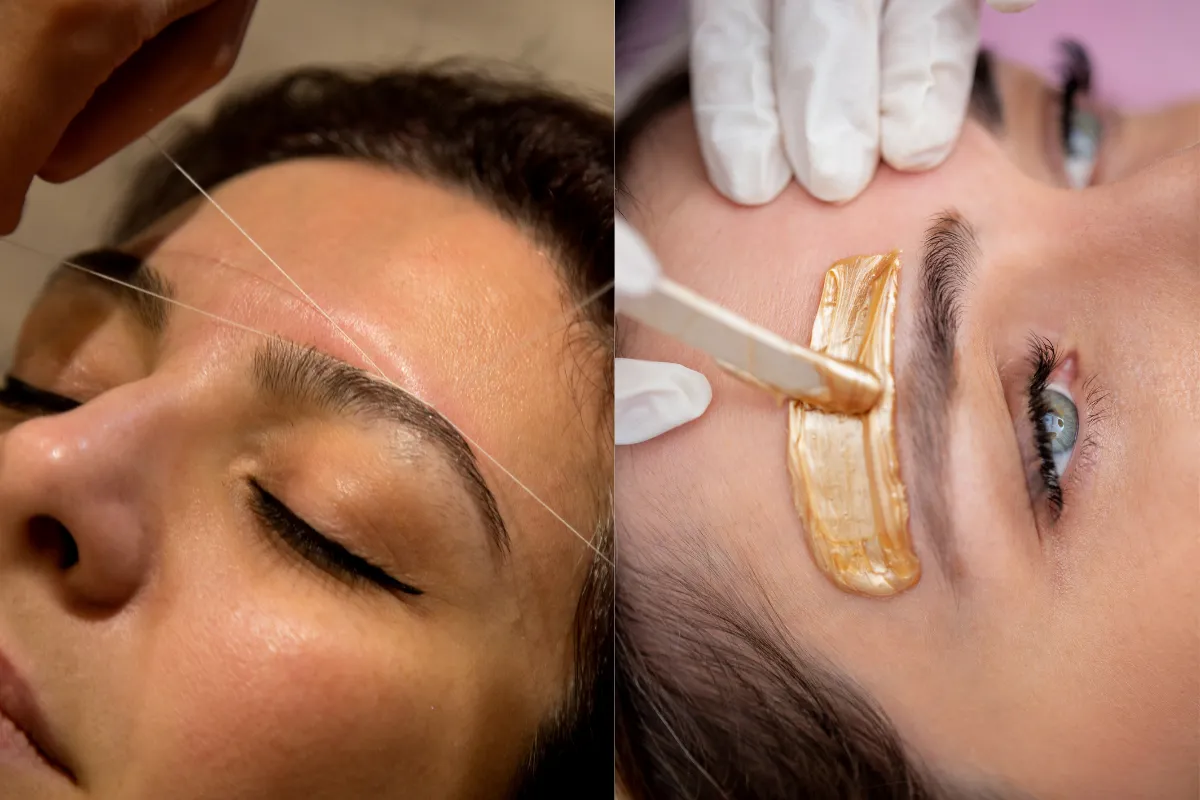
Threading is also safer for clients using active skincare ingredients. Retinoids, AHAs, and BHAs thin the skin barrier over time, and practitioners consistently advise against waxing when those ingredients are part of an active routine. The risk of minor lifting or surface damage is real when wax is applied to skin that has been chemically exfoliated recently. Threading does not carry the same restriction at the same level of concern.
Waxing is not a poor choice across every situation. For people with coarser hair, more resilient complexions, and no active sensitivity concerns, waxing can deliver a precise and consistent result that threading does not always match in terms of closeness. The key is matching the method to the actual skin, not to a general preference.
Does Removal Frequency Change the Waxing vs Threading Decision?
Frequency is an underexamined factor in the upper lip wax or thread conversation. Most people manage upper lip hair removal every two to four weeks, which means the same small area of skin is experiencing repeated physical stress on a regular cycle. How that stress accumulates depends directly on which method is being used.
Repeated waxing in a concentrated area can gradually thin the skin and increase sensitivity over time. Some clients notice that their skin becomes more reactive to waxing after several consistent years of appointments, even when it had no issues early on. That pattern reflects cumulative wear on the skin barrier rather than any single session being problematic.
Threading produces less surface disruption per session, which means the long-term effect on the skin's integrity tends to be lower. For people who intend to manage upper lip hair removal consistently over months and years, threading may preserve the skin's condition better as a repeated practice. This consideration becomes increasingly relevant as skin naturally changes with age and hormonal shifts.
How Skin Changes With Age Affect the Waxing vs Threading Choice
Skin changes over time in ways that directly affect how it responds to physical hair removal. Collagen production slows, the epidermis becomes thinner, and recovery from minor irritation takes longer than in younger years. For women navigating these changes, the choice between waxing vs threading the upper lip becomes less about personal preference and more about what the skin can safely handle on a repeated basis.
Waxing on skin that has naturally thinned with age raises the risk of minor surface lifting, particularly around the upper lip where skin is already among the more delicate areas of the face. Skincare practitioners who regularly work with clients experiencing these skin changes often recommend threading as the lower-impact option for this reason.
Hormonal shifts compound the issue. They can increase facial hair growth around the upper lip and chin while simultaneously making the skin more reactive to heat and adhesion. Threading addresses both concerns at once. It operates at room temperature and involves no substance bonding to the skin, which makes it a gentler recurring option for women managing both increased hair growth and increased skin sensitivity during the same period.
What SK Herbals Recommends for Post-Removal Upper Lip Care
Post-removal care shapes the result as much as the method itself. Whether someone chooses waxing or threading, the upper lip skin needs intentional attention in the hours following the appointment. Applying a calming, botanically formulated product to the treated area helps reduce redness, support pore closure, and restore the skin barrier more efficiently.
SK Herbals approaches post-hair-removal skincare through formulations built around plant-based actives with documented anti-inflammatory and skin-conditioning properties. Clients who incorporate a herbal soothing step immediately after threading or waxing consistently report shorter recovery windows and less prolonged redness compared to those who use no aftercare or reach for synthetic alternatives.
For both methods, the post-removal guidance is consistent: avoid direct heat, steam, and sun exposure for at least 24 hours, keep active skincare ingredients off the treated area for a full day, and apply a gentle fragrance-light moisturizer to support barrier recovery. These steps reduce the likelihood of post-removal breakouts, sensitivity flares, and hyperpigmentation, particularly for skin that is managing greater reactivity than it did in earlier years.
Conclusion
The waxing vs threading upper lip decision is genuinely personal, but it is not arbitrary. Threading offers a gentler, lower-friction experience that suits sensitive, reactive, and naturally maturing skin more reliably than waxing does. Waxing works well for coarser hair and more resilient complexions when done with care and proper aftercare in place. What matters most is choosing the method that matches the actual condition of the skin, not just the most common recommendation. Pairing the right technique with a thoughtful post-removal routine makes the difference between a result that looks good briefly and one that supports the skin over the long term.