

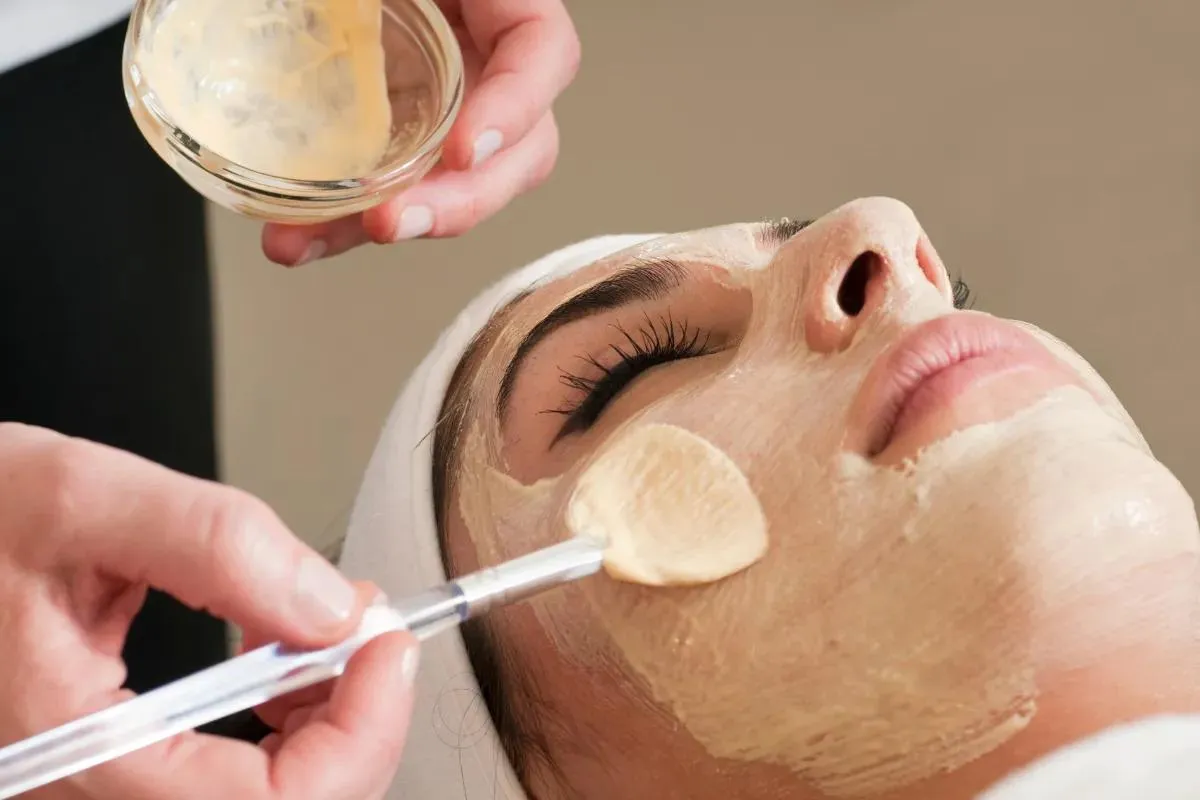
The Ultimate Guide to Facial Treatments: Which One Is Right for Your Skin Type?
Not all facial treatments are created equal, and choosing the wrong one for your skin type can do more harm than good. Whether you are dealing with persistent breakouts, dryness, uneven tone, or early signs of aging, the treatment you choose needs to match what your skin actually needs. This guide covers the most effective options for every skin type, what ingredients to look for, and how to build a routine that delivers real, lasting results.
Why a Basic Routine Only Goes So Far
Daily cleansing and moisturizing maintain your skin, but they do not improve it. Over time, dead skin cells build up, pores get congested, and environmental stress leaves a residue that everyday products cannot clear. Targeted treatments fill that gap. They work at a deeper level, deliver concentrated actives, and give your skin a reset that a regular routine simply cannot provide.
Used once or twice a week on top of a clean daily base, the right treatment can create a visible shift in texture, tone, and clarity within a few weeks. The key is choosing correctly from the start.
Quick fact: Skin cell turnover slows significantly after age 25. Regular facial treatments help accelerate that cycle and keep your complexion looking healthy at every stage.
Know Your Skin Type Before You Choose Anything
Mismatching a treatment to your skin type is one of the most common reasons people do not see results or worse, trigger a reaction. Use this as a starting point before committing to anything new:
The Right Facial Treatment for Each Skin Type
Oily & Acne-Prone Skin
The most effective facial treatments for oily skin focus on absorbing excess sebum and clearing congested pores without disrupting the skin's natural barrier. Clay masks made with kaolin or bentonite are a reliable starting point. Salicylic acid treatments work deeper -- penetrating inside the pore to dissolve buildup where it forms.
For a gentler option, plant-based formulas with neem, tea tree, or turmeric deliver antibacterial and anti-inflammatory benefits without the dryness synthetic actives can cause. This is the philosophy behind every formula at SK Herbals, balancing sebum production while keeping the barrier healthy and intact.
Dry & Dehydrated Skin
Dry skin needs treatments centered on hydration and barrier restoration. Hyaluronic acid masks, overnight nourishing treatments, and plant oil-based serums are the most effective choices. Aloe vera, rosehip oil, shea butter, and ceramides all draw moisture into the skin and prevent it from escaping throughout the day.
Avoid physical scrubs and aggressive peels when your skin is dry or flaky. Enzyme-based treatments are a better fit because they dissolve dead cells without physically disrupting a compromised barrier.
Combination Skin
Combination skin rarely responds well to a single all-over treatment. Multi-masking -- using different products on different zones at the same time is the most targeted approach. A clay mask on the T-zone paired with a hydrating treatment on dry areas gives you balanced results without over-correcting either side.
A gentle enzyme exfoliant applied across the full face also works well if you prefer a simpler routine. It addresses texture and tone evenly without pushing oilier zones further in either direction.
Sensitive Skin
Sensitive skin responds best to minimal, intentional formulas. Chamomile, oat extract, calendula, and centella asiatica are the most dependable calming actives -- each reduces redness and supports the barrier with a low risk of irritation. Botanical actives are inherently gentler than synthetic alternatives and far less likely to carry hidden irritants, which is why herbal skincare works especially well for this skin type.
Always patch test any new formula on the inner arm for 24 to 48 hours before applying to your face. Even the cleanest formulas can trigger a reaction in reactive skin types.
Mature & Aging Skin
Mature skin benefits most from treatments that stimulate collagen and restore lasting hydration. Vitamin C brightening treatments, peptide-rich masks, and regular gua sha massage all support circulation and firmness with consistent use.
Plant oils such as argan, sea buckthorn, and marula replenish the lipid-rich environment that diminishes with age. They visibly smooth fine lines and improve elasticity over time -- making them a strong fit for mature skin across all tones.
Why Herbal Skincare Works
Plant-derived actives offer something synthetic compounds rarely can: biological complexity. Antioxidants, anti-inflammatory compounds, adaptogenic properties, and micronutrients that interact with the skin's own systems rather than simply overriding them. That is why herbal skincare has moved from traditional practice into mainstream formulation, not as a trend, but because the results hold up.
Ashwagandha, neem, manjistha, and tulsi each have centuries of documented use in Ayurvedic skin care and are increasingly supported by clinical research for their effects on acne, uneven tone, and inflammation. At SK Herbals, every formula is built on this foundation, combining traditional plant knowledge with clean, modern formulation standards.
When evaluating any new treatment, check the ingredient list first. A shorter, plant-forward list means more room for activities that perform. If a botanical ingredient appears near the bottom of a 40-item list, it is decorative -- not functional.
What to look for: A botanical extract listed in the top five ingredients signals real concentration. That is where the active benefit actually lives.
When to See a Skincare Specialist
At-home treatments have real limits. Persistent acne, significant hyperpigmentation, rosacea, or sudden unexplained skin changes are all signs that seeing a skincare specialist is the smarter next step. A professional can identify root causes, hormonal, dietary, or environmental, that products alone cannot resolve, and recommend clinical treatments that are not safely replicable at home.
Microneedling, professional-grade peels, and LED light therapy all fall into this category. But the bigger value is the long-term strategy, a plan built around your skin's actual history, not just its current state. Even when your skin is healthy, a seasonal check-in helps you stay ahead of shifts in behavior rather than reacting after the fact.
Consistency Over Everything
The most effective routine is the one you repeat. Start with a single targeted treatment once or twice a week and track results over four to six weeks before adding anything new. Most people quit before their skin has had time to respond, and most reactions come from introducing too many things at once.
Keep your daily base simple: a gentle cleanser, a non-comedogenic moisturizer, and SPF. That foundation is what gives your facial treatments room to work. Without it, you are working against yourself.


Copyright © SK Herbals LLC | All Rights Reserved.